
Wordle Nyt

Wordle: The New York Times Game That Became a Global Habit
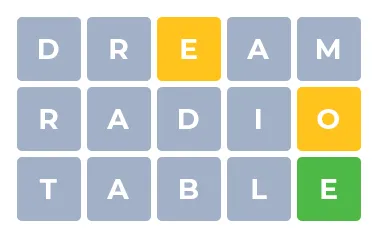
Wordle, the simple daily word puzzle now associated with The New York Times, has become one of the most recognizable games on the internet. What began as a small online project quickly turned into a worldwide phenomenon, drawing in casual players, language lovers, and puzzle enthusiasts alike. Its appeal lies in its simplicity: one five-letter word, six chances, and a shared daily challenge.
What Makes Wordle So Popular?
One of Wordle’s biggest strengths is how easy it is to understand. Unlike many modern games that require tutorials, accounts, or long commitments, Wordle can be learned in seconds. Players guess a five-letter word, and the game responds with color-coded hints. Green means the letter is correct and in the right place. Yellow means the letter is in the word but in the wrong spot. Gray means the letter is not in the word at all. This design creates a satisfying balance between chance and skill. The game is short enough to fit into a coffee break, but clever enough to feel rewarding. For many people, it has become a daily ritual, much like reading the news or doing a crossword.
The NYT Connection
When the New York Times acquired Wordle, it sparked discussion about the future of the game. Supporters saw the move as a way to preserve and expand a beloved puzzle. The Times has a strong reputation for word games, including its famous crossword, spelling bee, and other puzzles. By bringing Wordle into its family, the newspaper helped ensure that the game would remain accessible and stable. However, some players worried that commercialization might change the spirit of Wordle. Early fans valued its free, minimalist nature. The concern was that corporate ownership might lead to paywalls, ads, or changes that would weaken the game’s original charm. So far, the New York Times has largely kept the experience simple, which has helped retain its broad appeal.
Why People Keep Playing
Wordle’s social aspect is a major part of its success. The game allows players to share their results without revealing the answer, creating a sense of community. Friends compare strategies, debate starting words, and celebrate streaks. This daily shared experience gives Wordle a unique place in online culture. Psychologically, the game also offers a small but meaningful reward. Solving the puzzle provides a quick burst of accomplishment. Because there is only one puzzle per day, it avoids the endless repetition that can make many mobile games feel exhausting or addictive. In that sense, Wordle stands out as a healthier form of digital entertainment.
Criticisms and Limitations
Despite its popularity, Wordle is not without criticism. Some players argue that the word list can sometimes feel unfair, especially when the answer is obscure or unusual. Others note that the game may be less enjoyable for people with smaller vocabularies or those who are not native English speakers. There is also the question of novelty. Like many viral trends, Wordle’s popularity may fade over time. Yet its move to the New York Times suggests it may have enough staying power to remain a fixture in daily puzzle culture, even if it is no longer a social media sensation.
Conclusion
Wordle’s success shows that simple ideas can have enormous impact. Its mix of accessibility, challenge, and community has made it more than just a game—it has become a shared cultural ritual. Whether players enjoy it for strategy, relaxation, or the thrill of solving the day’s puzzle, Wordle remains a strong example of how a small game can create a big global conversation.